
Nurturing Resilience, Building Strong Futures for Children
Welcome to Building Resilience in Children. This website offers parents and caregivers simple, research-informed strategies to help children cope with challenges, manage emotions, and grow stronger through everyday experiences.
What Is Resilience?
Resilience is the ability to cope with stress and challenges, adapt to difficult situations, and return to a sense of balance after hard experiences. It helps children keep going even when things feel tough.

Why Is Resilience Important for Children?
Resilience is important for children of all ages because it helps them handle everyday challenges, recover from disappointments, and keep trying when something feels difficult.
Research shows that children who are resilient are more likely to feel confident at school and with friends, stay motivated and engaged in learning, manage stress in healthy ways, feel a sense of belonging, and develop strong social skills.
Resilience is not just one single skill. It develops over time through important life skills such as managing emotions, solving problems, building relationships, and understanding oneself. When children practice these skills with caring adults, they become better prepared to face challenges

The Resilience Recipe: Balancing Risk and Protective Factors
Risk Factors
Risk factors are conditions and threats that can make a child’s life more difficult or place a child’s health at greater risk.
Risk factors may exist:
-
Within the child, such as poor dietary habits or low self-esteem
-
Within the family, including poor attachment, poverty, or mental health challenges
-
Within the community, such as limited access to health care or social isolation

Protective Factors
Protective factors are positive conditions and strengths that help reduce the impact of risk factors. They can be thought of as the building blocks of resilience.
Protective factors may be:
-
Internal, found within the child, such as communication skills, self-esteem, empathy, and a sense of belonging
-
External, found within the child’s surroundings, such as trusting family relationships, supportive early childhood educators, and access to community activities

The relationship between resilience and these opposing factors is simple!
Together, we can build a strong, caring atmosphere at home and in early learning environments that do not just protect children from falling, but teach them how to climb back up, stronger than ever!
The relationship between resilience and these opposing factors is simple!
Resilience is reinforced by increasing protective factors while decreasing risk factors.
For example, a child experiencing a family difficulty (an example of a risk factor) can be tackled by a strong, loving bond with a supportive educator and a grandparent (an example of a powerful protective factor).
Early childhood educators and families play a starring role in this balance.

How Parents Can Support Children’s Resilience

Build a Supportive Relationship and Be a Calm Role Model
Your child builds resilience when they feel loved, heard, and supported. A warm and trusting relationship helps your child feel safe during difficult moments. Your child also learns how to handle challenges by watching how you respond..

Guide Problem-Solving with Empathy
When your child faces a problem, start with empathy and understanding. Let them know you see their feelings, then gently guide them to think of their own solutions instead of fixing everything for them. This builds confidence, independence, and resilience.

Treat Mistakes as Learning Moments
Help your child see that mistakes are part of learning and growing. When something goes wrong, stay calm and remind your child that problems and bad moments do not last forever. Focus on effort, not just results. This helps children keep trying instead of giving up.
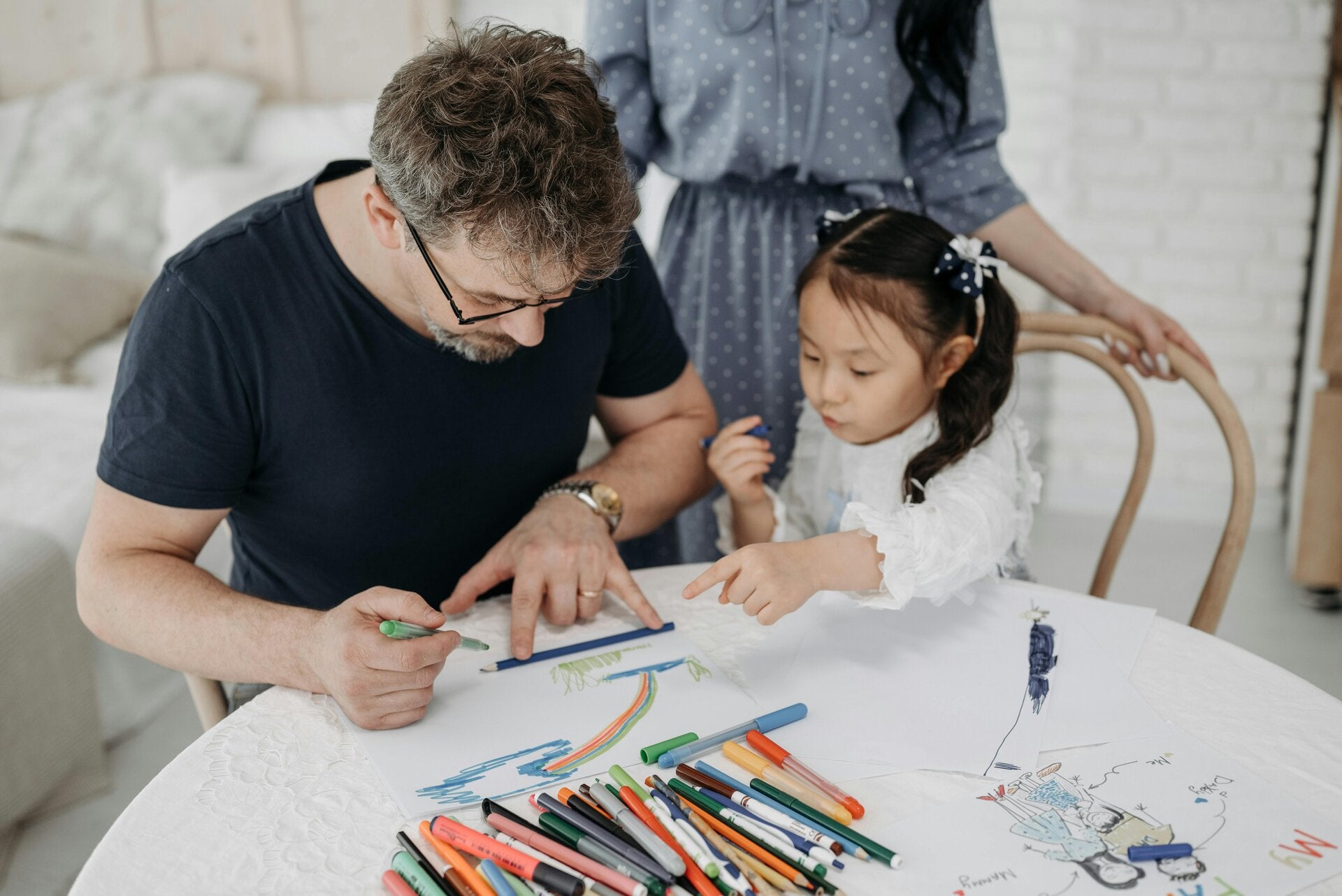
Give Small, Age-Appropriate Challenges with Encouragement
You don’t need to remove every difficulty for your child. Small, manageable challenges help your child build confidence and coping skills. Your encouragement during the process makes it easier for your child to keep trying. Effort and persistence matter more than doing it perfectly
Activities and Routines
“Resilience is not about avoiding the storm, but learning to dance in the rain.”

Infant and Toddler
"You can sing simple emotion songs or read books about feelings with your children to strengthen attachment and support emotional regulation."
Preschool
You can play simple games such as building blocks or engage in pretend play with your child each day. During play, encourage your child to try solving problems on their own or offer small challenges instead of fixing the problem for them. This helps your child practice problem-solving and persistence in a safe, playful way and builds resilience over time.
School Age
You can set up a short daily discussion time with your child, such as during dinner, to talk about what happened that day. Invite your child to share both fun moments and stressful or challenging experiences. Listen with empathy and encourage your child to think about how they handle challenges or what they could try next time. This daily conversation helps your child build coping skills and resilience over time.
Connect with us
Location
806 5th street
Brandon, MB
Canada
Create Your Own Website With Webador